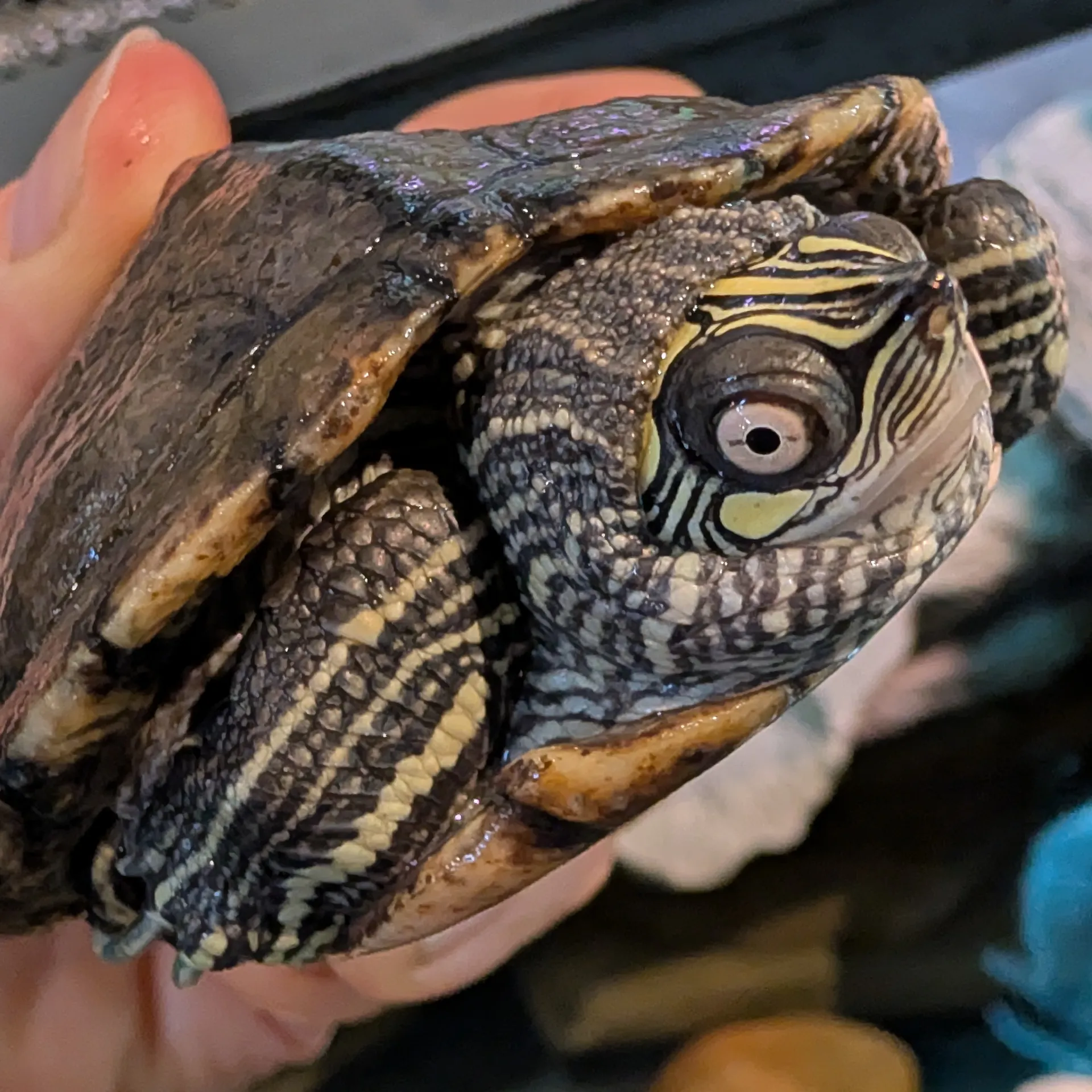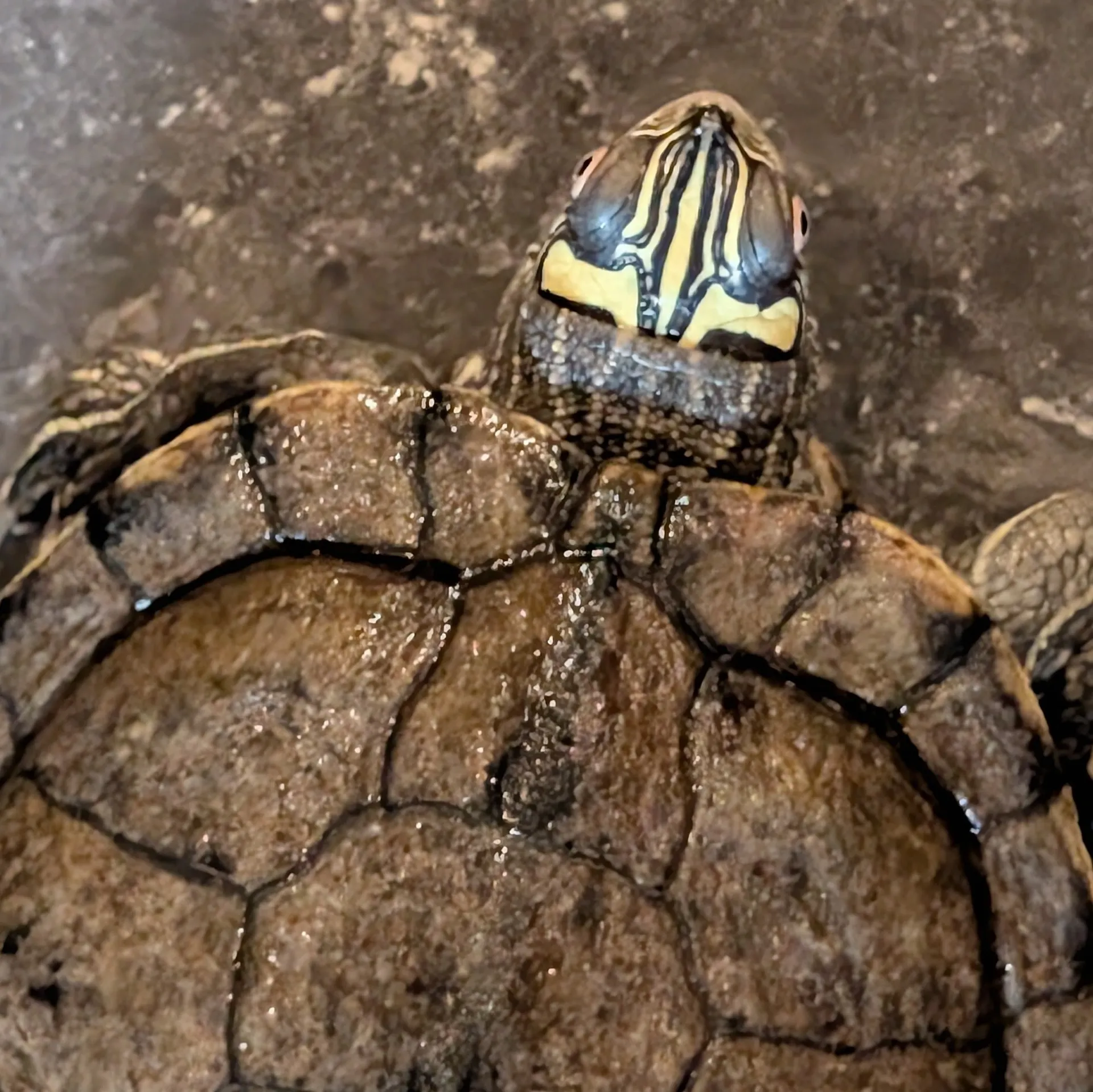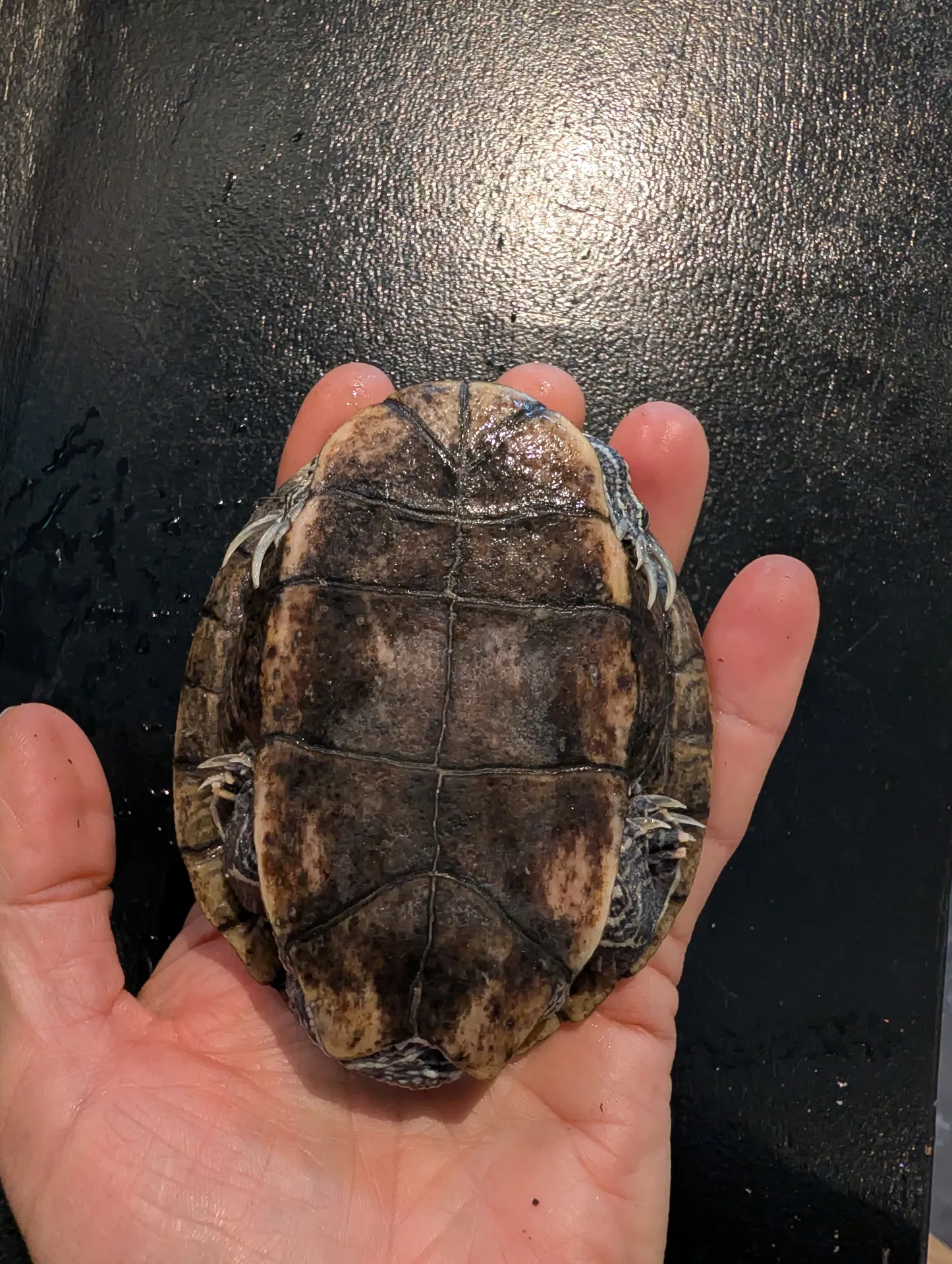

Meet Atlas, Our Map Turtle!
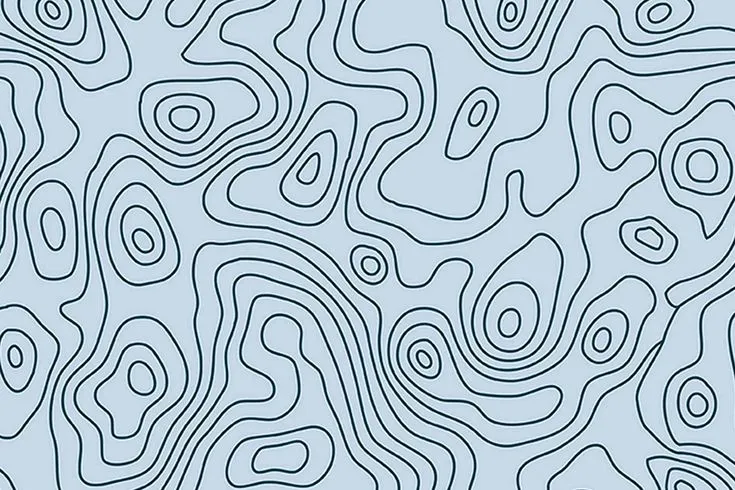
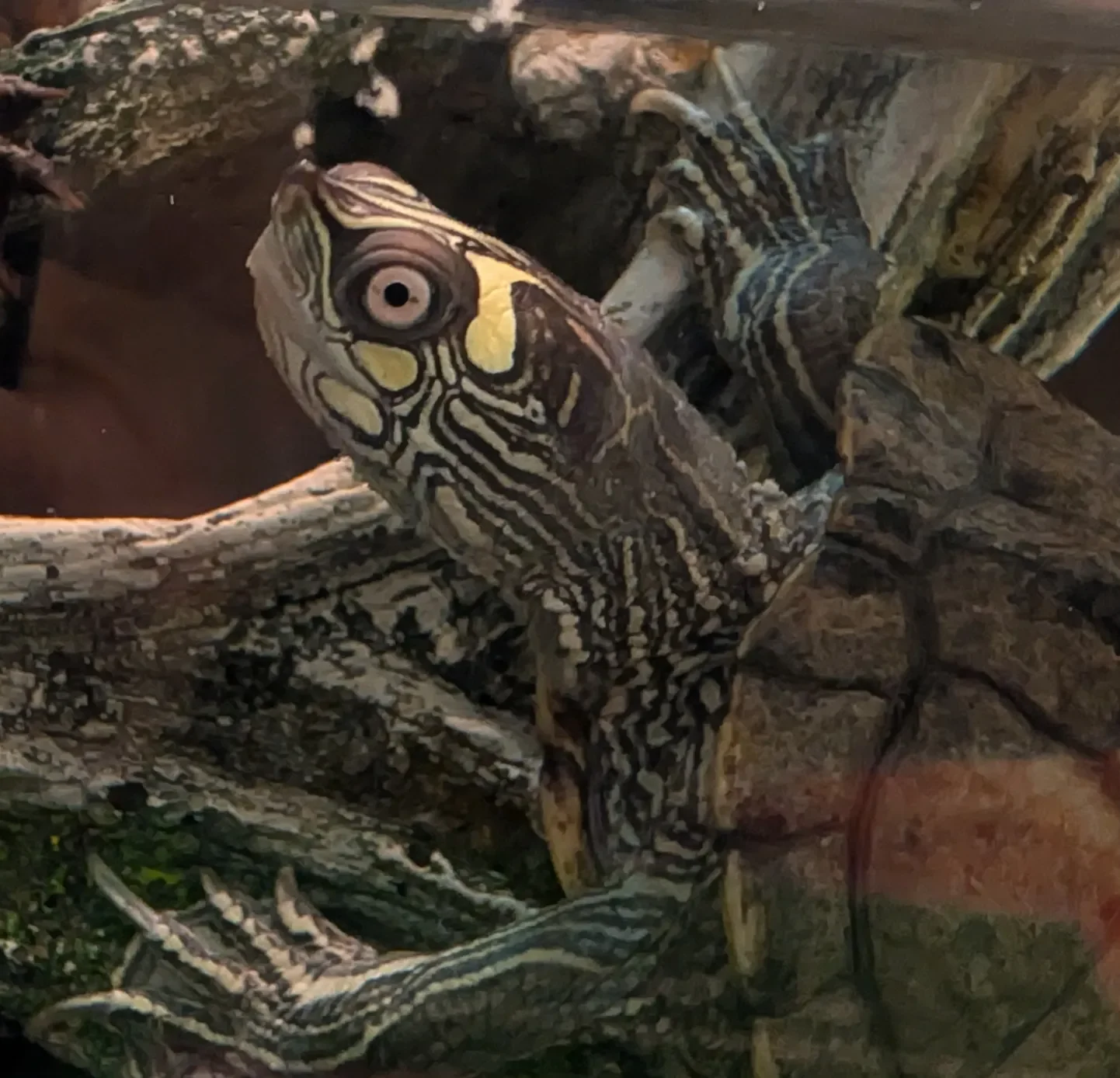
Atlas gets his name from the map-like pattern on his shell—and from a legendary figure associated with both the heavens and the history of mapmaking. Look closely at his yellow markings: they resemble the winding contour lines found on a topographic map.
Why “Map Turtle”?
Map turtles are named for the intricate lines covering their shells and skin. These yellow markings look remarkably similar to the contour lines, rivers, and roads drawn on a map.
What Is a Topographic Map?
A topographic map uses contour lines to represent the shape and elevation of the land. It can show hills, valleys, bodies of water, roads, buildings, vegetation, and other natural and human-made features.
Who Was Atlas?
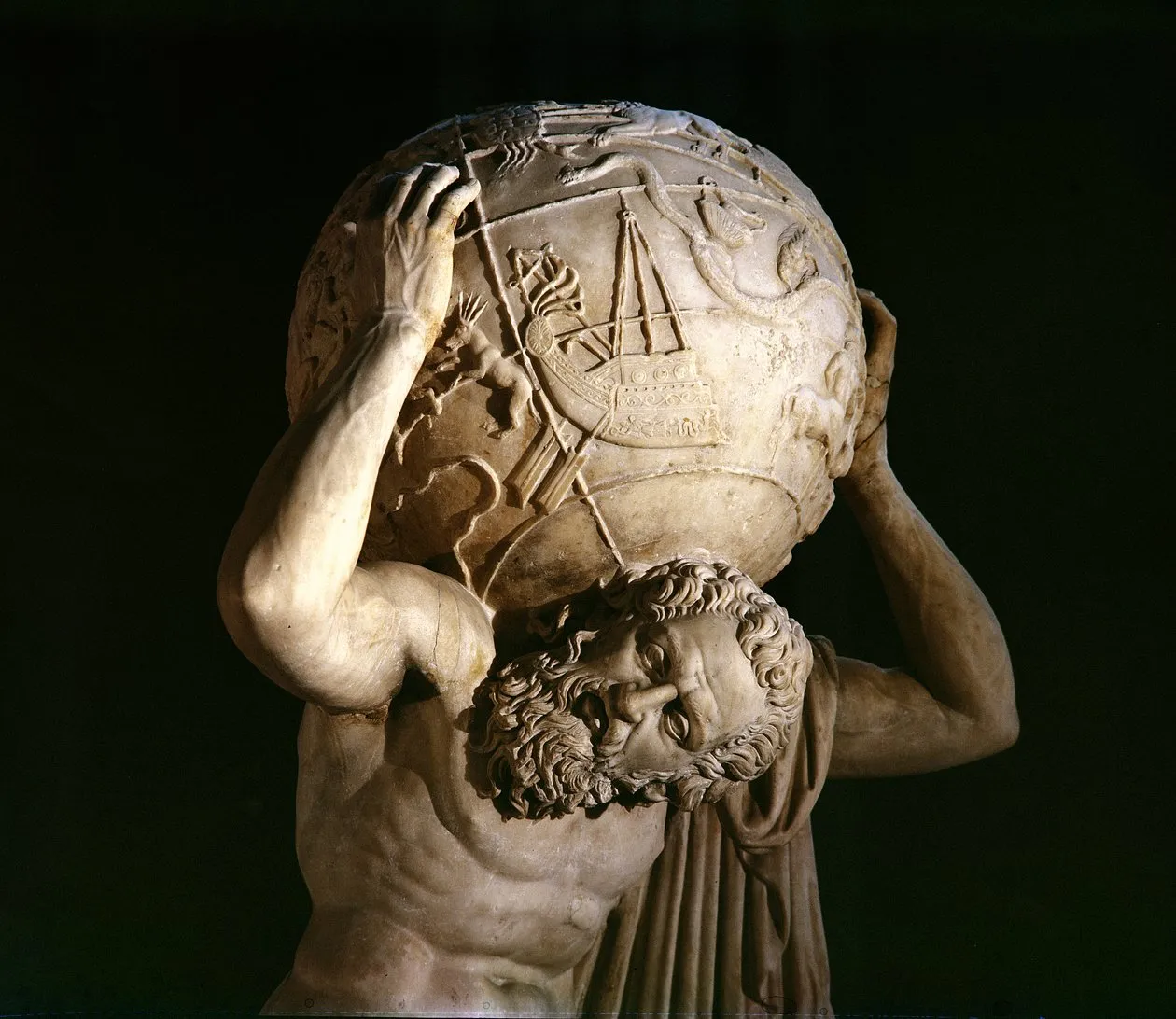
In Greek mythology, Atlas was a Titan condemned to hold the heavens on his shoulders for eternity. His name later became closely associated with geography and mapmaking.
From Atlas to “Atlas”
In 1595, the maps of Flemish cartographer Gerardus Mercator were published in a volume bearing the word Atlas. Mercator used the name in honor of Atlas, whom he regarded as a great early geographer. Over time, “atlas” became the familiar term for a bound collection of maps—making it the perfect name for our map-covered turtle!