
Meet Yusuke, Our Mud Turtle!
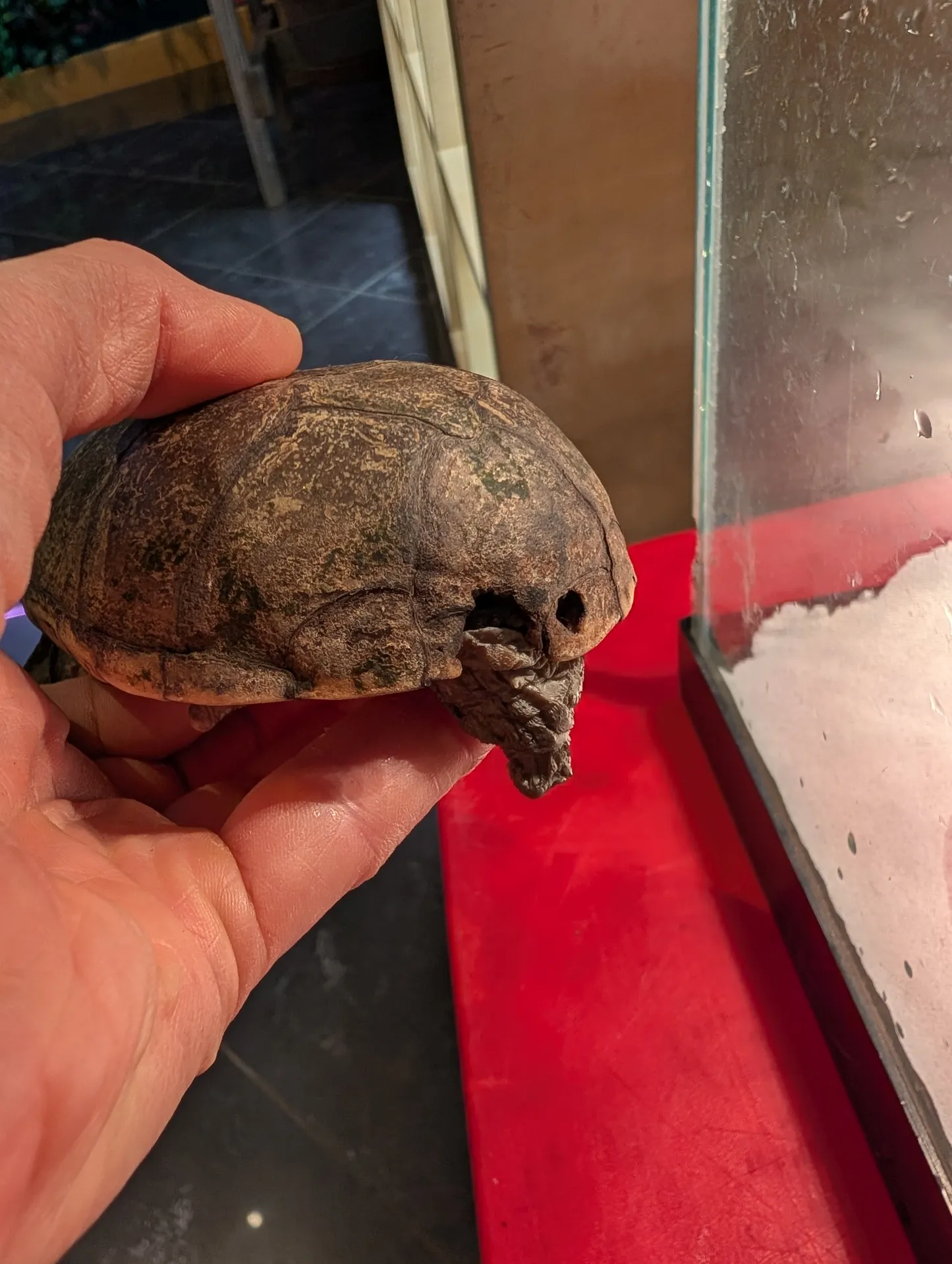
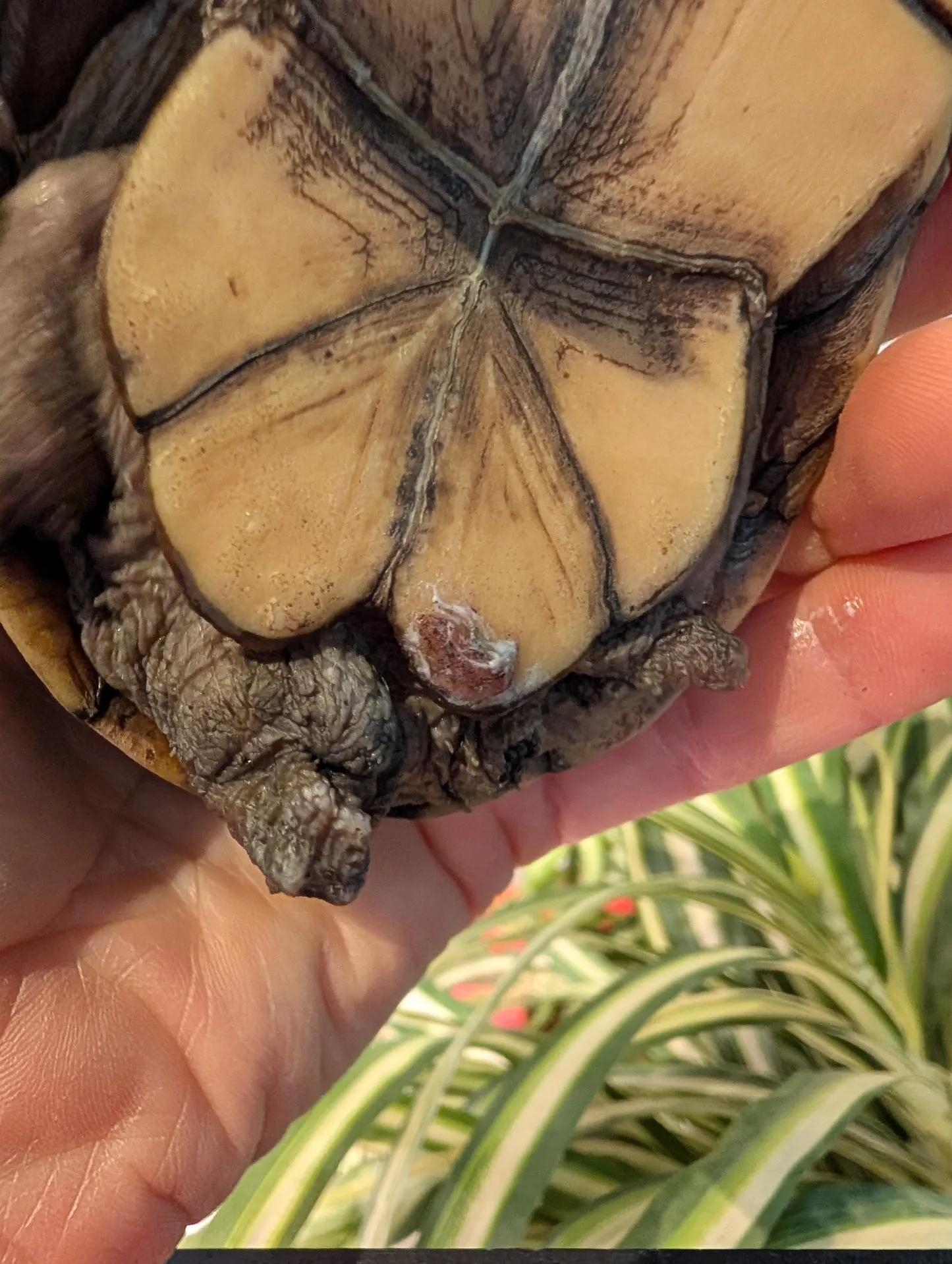
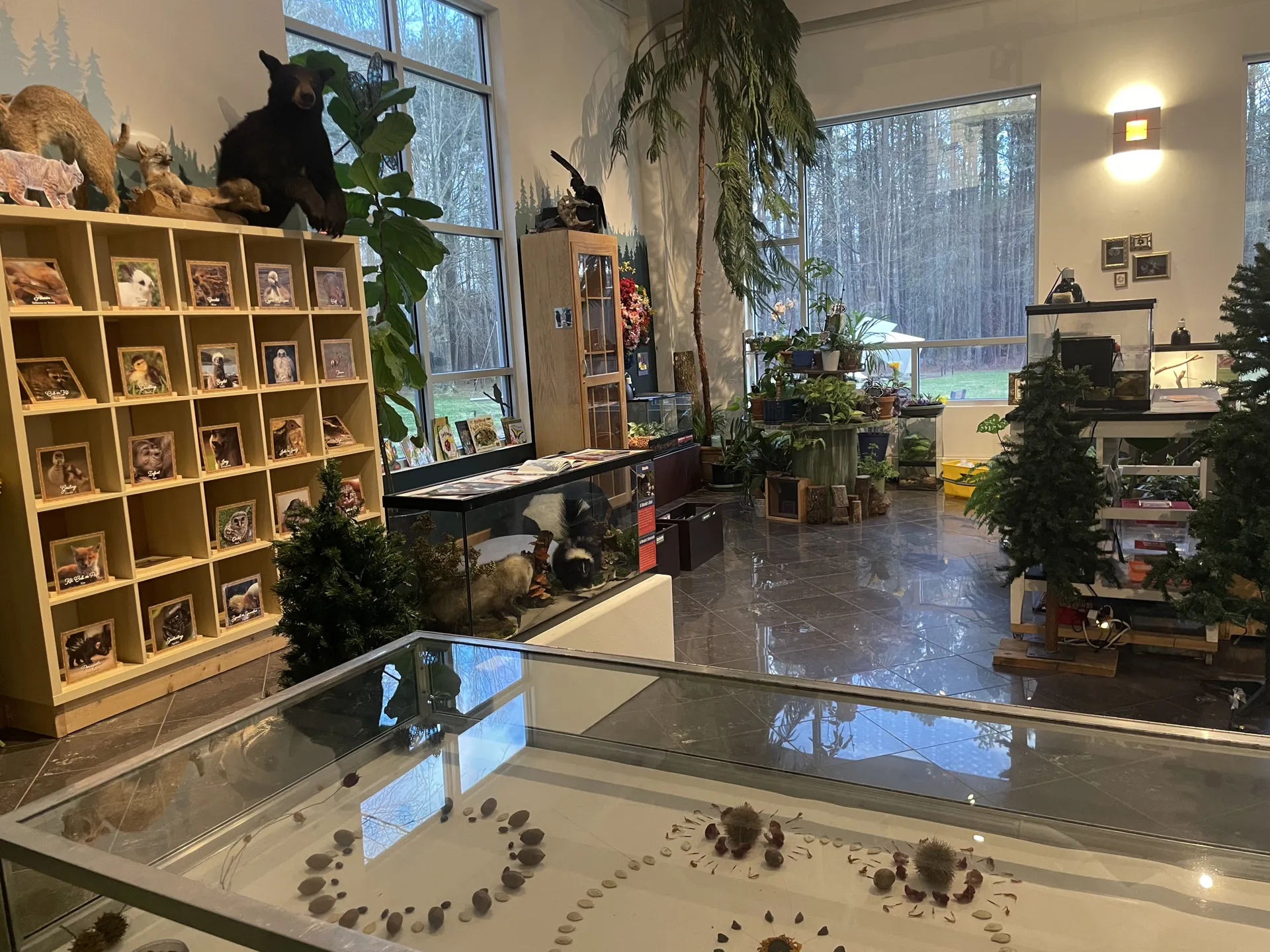
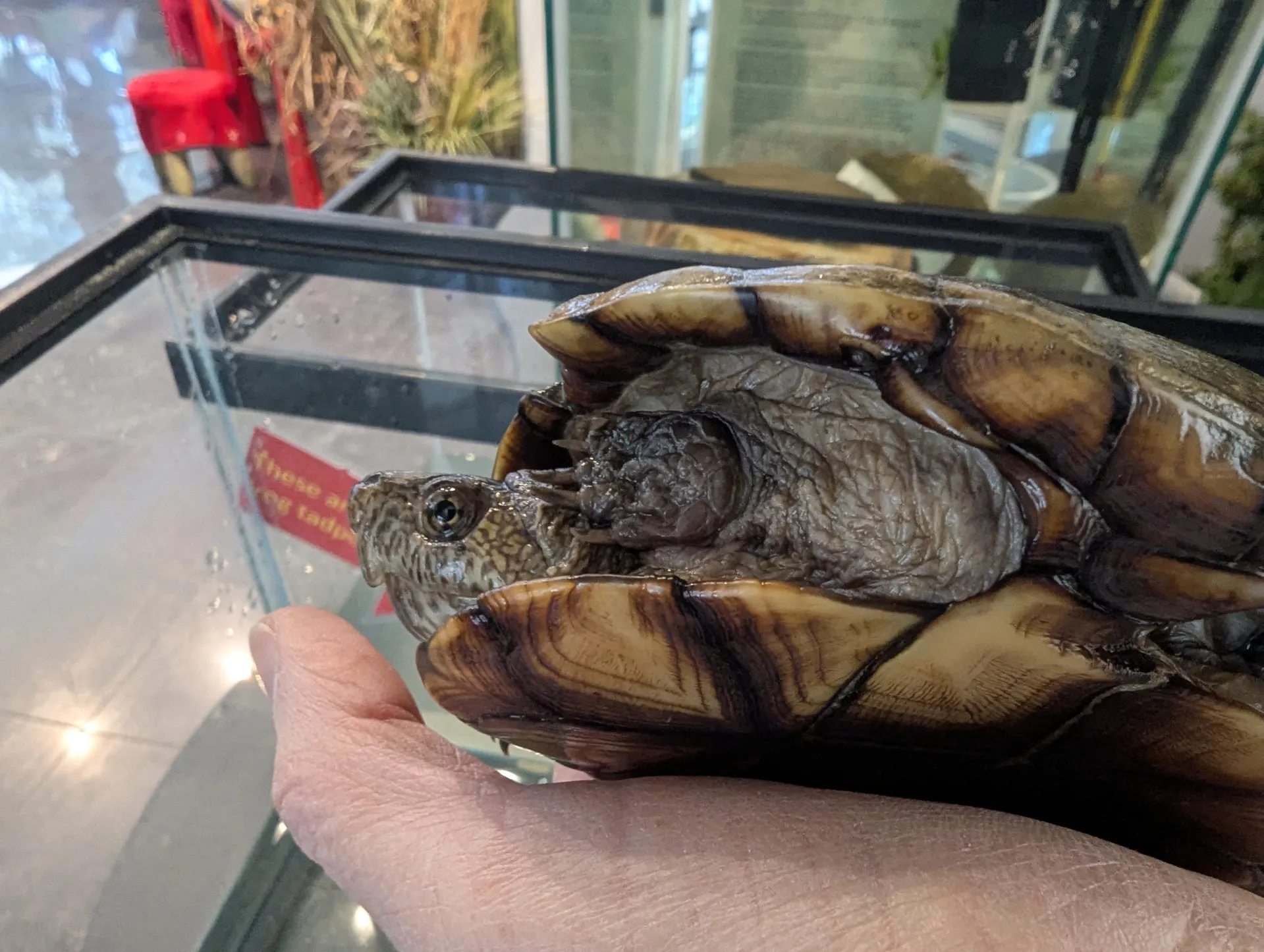
Yusuke is Annmarie Garden’s remarkably resilient mud turtle. He was found in St. Mary’s County after an encounter with a predator left him without his back feet and most of his tail. Because his injuries would make survival in the wild difficult, Yusuke came to live in the Nature Nook, where he healed beautifully and continues to thrive. Small but mighty, he reminds us just how adaptable turtles can be.
What’s in a Name?
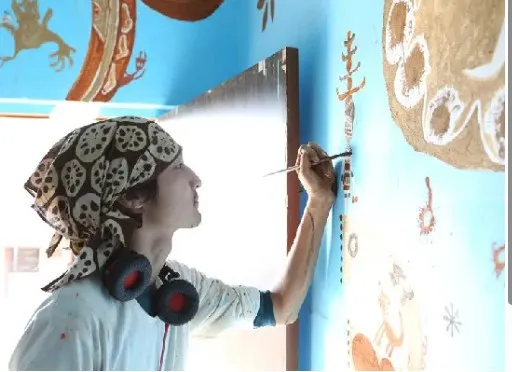
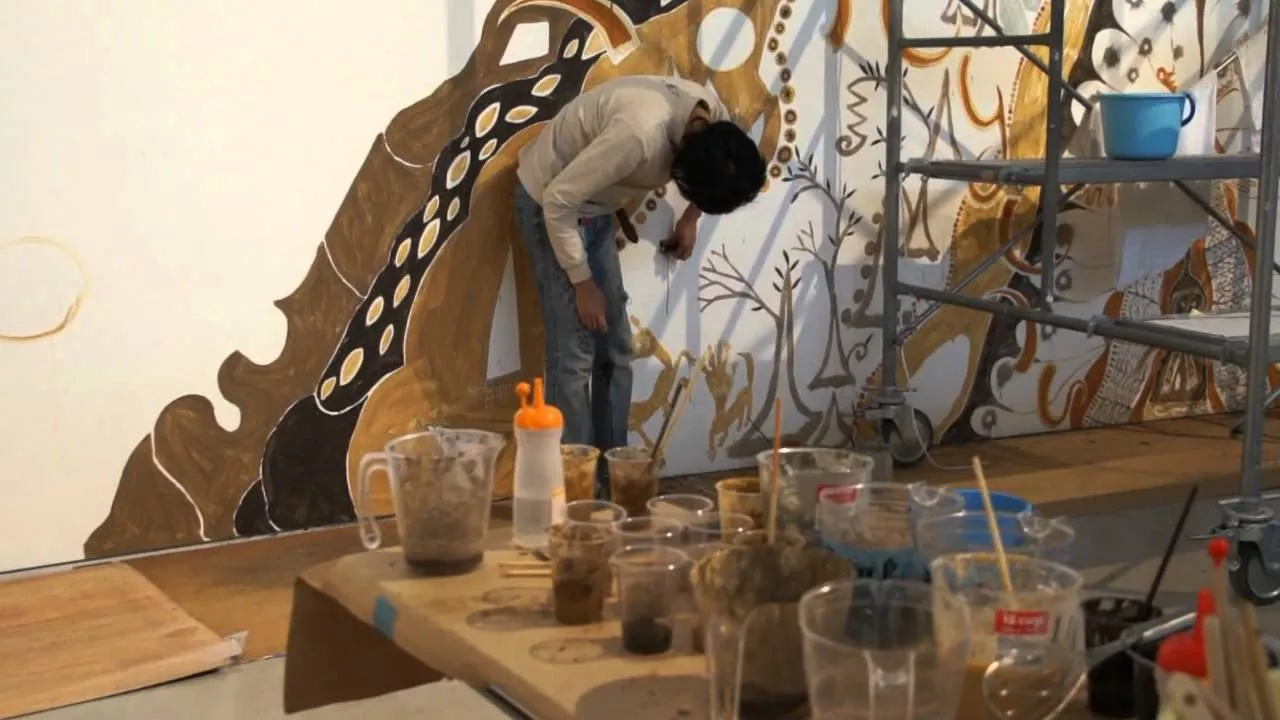
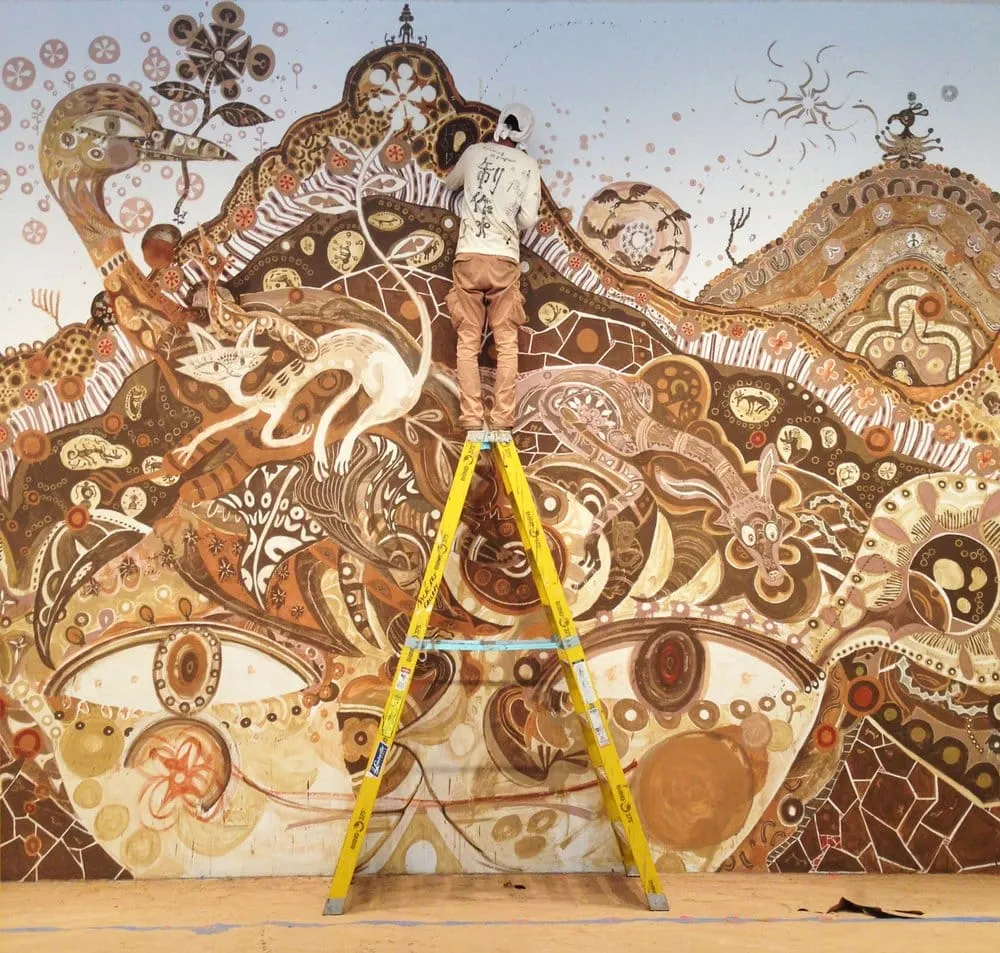
Yusuke is named for Japanese artist Yusuke Asai, who creates enormous, intricate murals using mud and other natural pigments gathered from the places where he works. It’s the perfect name for a mud-loving turtle who now makes his home in an art center!
About Mud Turtles
Mud turtles are small, semi-aquatic turtles named for the muddy ponds, marshes, wetlands, and slow-moving waterways they call home. Their smooth, rounded shells are typically brown, olive, or nearly black, helping them blend into the muddy bottom.
Unlike turtles that spend most of their time basking in the sun, mud turtles frequently explore the bottom of shallow waterways and may also travel across land—especially after rain.
What Do Mud Turtles Eat?
Mud turtles are omnivores, which means they eat both plants and animals. In the wild, their diet may include:
- Insects and insect larvae
- Worms and snails
- Small fish and amphibians
- Crayfish and other aquatic creatures
- Seeds, berries, and aquatic plants
Their strong jaws help them crush hard-shelled prey such as snails.
Built for Life Near the Mud
Mud turtles have webbed feet that help them move through shallow water and sturdy legs for walking across land. Their dark, smooth shells provide camouflage among leaves, vegetation, and muddy pond bottoms.
Although Yusuke is missing his back feet and most of his tail, he has adapted remarkably well. With a safe habitat and specialized care, he can continue swimming, exploring, and enjoying life in the Nature Nook.
Did You Know?
Mud turtles belong to the genus Kinosternon, a name that refers to the movement of their hinged lower shell. This hinge allows some mud turtles to partially close their shells for protection—almost like shutting a little door!